 Heyrovsky
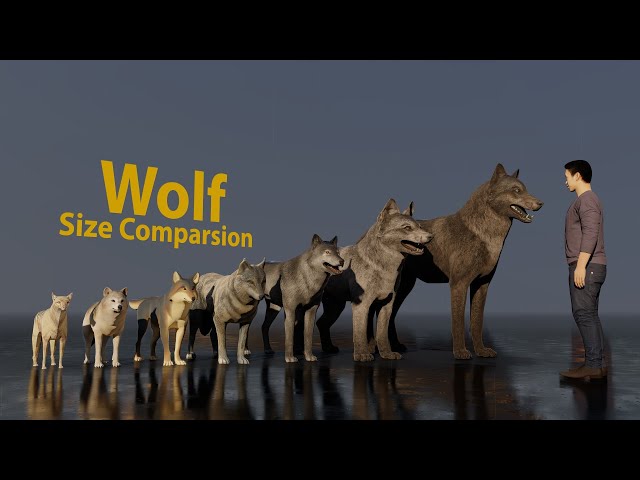
 When comparing the size of wolves and dogs, there is a significant difference. Wolves, on average, are larger than dogs, both in height and weight. The average weight of a wolf is between 60 and 110 pounds, while the average weight of a dog is between 20 and 80 pounds. Wolves also have a larger frame than dogs, with broader shoulders and a narrower waist. This gives them a more powerful appearance than dogs.
The size difference between wolves and dogs is due to several factors, including genetics and environment. Wolves are descended from wild animals, while dogs are descended from domesticated animals. As a result, wolves have retained their natural size, while dogs have been bred to be smaller and more manageable. Additionally, wolves live in colder climates than dogs, which has led them to develop a thicker coat and a larger body size to help them stay warm.
The size difference between wolves and dogs has several implications. Wolves are better able to hunt large prey than dogs are, and they are also more likely to be able to defend themselves against predators. Dogs, on the other hand, are better suited for living in close proximity to humans and are more trainable than wolves.
Size of Wolf vs Dog
The size difference between wolves and dogs is a complex issue with many contributing factors. Some of the key aspects to consider include:
- Genetics: Wolves and dogs share a common ancestor, but they have been bred for different purposes over many generations. This has led to significant differences in their size and appearance.
- Diet: Wolves are carnivores, while dogs are omnivores. This difference in diet has contributed to the difference in their size, as wolves need to be able to eat larger prey.
- Habitat: Wolves live in a variety of habitats, including forests, tundra, and mountains. Dogs, on the other hand, have been domesticated and live in close proximity to humans.
- Climate: Wolves live in colder climates than dogs, which has led them to develop a thicker coat and a larger body size to help them stay warm.
- Behavior: Wolves are social animals that live in packs, while dogs are more solitary animals. This difference in behavior has also contributed to the difference in their size.
- Training: Dogs are more trainable than wolves, which has made them more popular as pets and working animals.
- Lifespan: Wolves have a shorter lifespan than dogs, which is likely due to the fact that they live in a more dangerous environment.
- Weight: Wolves can weigh up to 110 pounds, while dogs typically weigh between 20 and 80 pounds.
The size difference between wolves and dogs is a fascinating topic that can be explored from a variety of perspectives. By understanding the key aspects that contribute to this difference, we can gain a deeper appreciation for these two amazing animals.
Genetics
The fact that wolves and dogs share a common ancestor but have been bred for different purposes over many generations is a key factor in understanding the size difference between the two animals. Wolves are descended from wild animals, while dogs are descended from domesticated animals. As a result, wolves have retained their natural size, while dogs have been bred to be smaller and more manageable. Additionally, wolves have been bred to be able to hunt large prey, while dogs have been bred to be able to live in close proximity to humans.
The size difference between wolves and dogs has a number of practical implications. For example, wolves are better able to hunt large prey than dogs are, and they are also more likely to be able to defend themselves against predators. Dogs, on the other hand, are better suited for living in close proximity to humans and are more trainable than wolves.
Understanding the connection between genetics and the size difference between wolves and dogs is important for a number of reasons. First, it helps us to understand the evolutionary history of these two animals. Second, it helps us to understand the different roles that wolves and dogs play in the ecosystem. Third, it helps us to make informed decisions about how to manage wolves and dogs in the future.
Diet
The difference in diet between wolves and dogs is a significant factor in their size difference. Wolves are carnivores, which means that they eat meat. Dogs, on the other hand, are omnivores, which means that they eat both meat and plants. This difference in diet has led to several adaptations that have contributed to the size difference between the two animals.
One of the most significant adaptations is the size of their teeth. Wolves have larger teeth than dogs, which are better suited for tearing and chewing meat. Dogs, on the other hand, have smaller teeth that are better suited for eating a variety of foods, including plants.
Another adaptation is the size of their digestive system. Wolves have a shorter digestive system than dogs, which is better suited for digesting meat. Dogs, on the other hand, have a longer digestive system that is better suited for digesting plants.
The difference in diet between wolves and dogs has also led to differences in their behavior. Wolves are typically more aggressive than dogs, and they are more likely to hunt in packs. Dogs, on the other hand, are typically more docile than wolves, and they are more likely to live in close proximity to humans.
The difference in diet between wolves and dogs is a fascinating topic that can be explored from a variety of perspectives. By understanding the connection between diet and size, we can gain a deeper appreciation for these two amazing animals.
Habitat
The habitat of wolves and dogs is a significant factor in their size difference. Wolves live in a variety of habitats, including forests, tundra, and mountains. These habitats are often harsh and require wolves to be able to travel long distances in search of food. As a result, wolves have evolved to be larger and stronger than dogs.
- Wolves need to be able to travel long distances in search of food. In order to do this, they have evolved to have larger and stronger bodies than dogs.
- Wolves live in a variety of habitats, including forests, tundra, and mountains. These habitats are often cold and require wolves to have a thick coat of fur. This fur coat also contributes to their larger size.
- Dogs, on the other hand, have been domesticated and live in close proximity to humans. This has led them to evolve to be smaller and more manageable than wolves.
- Dogs are also more likely to be fed by humans, which has reduced the need for them to be able to hunt for food. This has also contributed to their smaller size.
The difference in habitat between wolves and dogs is a fascinating topic that can be explored from a variety of perspectives. By understanding the connection between habitat and size, we can gain a deeper appreciation for these two amazing animals.
Climate
The climate in which an animal lives has a significant impact on its size. Wolves live in colder climates than dogs, which has led them to develop a thicker coat and a larger body size to help them stay warm. This is because larger animals have a smaller surface area to volume ratio, which means that they lose less heat to the environment. Additionally, a thicker coat of fur provides insulation, which helps to keep wolves warm in cold weather.
The difference in size between wolves and dogs is a good example of how climate can affect the size of an animal. Wolves that live in colder climates are typically larger than wolves that live in warmer climates. This is because larger wolves are better able to stay warm in cold weather. Similarly, dogs that live in colder climates are typically larger than dogs that live in warmer climates.
The connection between climate and size is an important one to understand, as it can help us to understand the evolution of different species. It can also help us to understand how climate change may affect the size of animals in the future.
Behavior
The difference in behavior between wolves and dogs is a significant factor in their size difference. Wolves are social animals that live in packs, while dogs are more solitary animals. This difference in behavior has led to several adaptations that have contributed to the size difference between the two animals.
- Pack behavior: Wolves are social animals that live in packs. This pack behavior has led to several adaptations that have contributed to their larger size. For example, wolves have evolved to have a larger body size in order to be able to defend themselves against predators and to compete for food. Additionally, wolves have evolved to have a thicker coat of fur in order to stay warm in cold weather.
- Solitary behavior: Dogs, on the other hand, are more solitary animals. This solitary behavior has led to several adaptations that have contributed to their smaller size. For example, dogs have evolved to have a smaller body size in order to be able to move more quickly and to be more agile. Additionally, dogs have evolved to have a thinner coat of fur in order to be able to dissipate heat more easily.
The difference in behavior between wolves and dogs is a fascinating topic that can be explored from a variety of perspectives. By understanding the connection between behavior and size, we can gain a deeper appreciation for these two amazing animals.
Training
The difference in trainability between dogs and wolves is a significant factor in their size difference. Dogs are more trainable than wolves, which has made them more popular as pets and working animals. This is because dogs are better able to learn and follow commands, which makes them easier to control and manage.
The trainability of dogs is due to a number of factors, including their genetics and their socialization. Dogs have been bred over many generations to be obedient and cooperative, while wolves have been bred to be more independent and self-reliant. Additionally, dogs are typically socialized from a young age, which helps them to learn how to interact with humans and other animals.
The trainability of dogs has a number of practical applications. For example, dogs are used as working animals in a variety of fields, such as law enforcement, search and rescue, and therapy. Dogs are also popular pets, and their trainability makes them easier to care for and manage.
The connection between training and size is a complex one. However, it is clear that the trainability of dogs has been a significant factor in their popularity as pets and working animals. By understanding this connection, we can gain a deeper appreciation for these amazing animals.
Lifespan
The difference in lifespan between wolves and dogs is a complex issue with many contributing factors. However, one of the most significant factors is the fact that wolves live in a more dangerous environment than dogs.
- Predation: Wolves are apex predators, but they are also prey for other animals, such as bears and cougars. This means that wolves are constantly at risk of being killed by predators.
- Disease: Wolves are also susceptible to a number of diseases, such as rabies and canine distemper. These diseases can be fatal, especially for young wolves.
- Human activity: Wolves are also threatened by human activity, such as hunting and habitat loss. These factors can all contribute to a shorter lifespan for wolves.
The shorter lifespan of wolves compared to dogs is a reminder of the challenges that these animals face in the wild. Despite these challenges, wolves are an important part of the ecosystem, and they play a vital role in maintaining the balance of nature.
Weight
The weight difference between wolves and dogs is a significant aspect of their overall size difference. Wolves are typically larger and heavier than dogs, with an average weight of 60-110 pounds compared to 20-80 pounds for dogs. This weight difference is due to several factors, including genetics, diet, and lifestyle.
- Genetics: Wolves and dogs share a common ancestor, but they have been bred for different purposes over many generations. Wolves have been bred to be larger and stronger for hunting, while dogs have been bred to be smaller and more manageable for companionship and work.
- Diet: Wolves are carnivores, while dogs are omnivores. Wolves’ diet of meat requires a larger digestive system, which contributes to their overall weight.
- Lifestyle: Wolves live in the wild, where they must hunt for food and defend themselves from predators. This active lifestyle contributes to their muscular build and heavier weight. Dogs, on the other hand, live in close proximity to humans and have a more sedentary lifestyle, which can lead to weight gain.
The weight difference between wolves and dogs has several implications. Wolves’ larger size and weight give them an advantage in hunting and defending themselves, while dogs’ smaller size and weight make them more agile and better suited for certain types of work, such as agility competitions and search and rescue operations. Additionally, the weight difference can affect the lifespan of wolves and dogs, with wolves typically having a shorter lifespan due to the challenges of living in the wild.
FAQs on Wolf vs. Dog Size
This section provides answers to frequently asked questions regarding the size difference between wolves and dogs, addressing common concerns and misconceptions.
Question 1: Why are wolves generally larger than dogs?
Wolves have been bred for hunting in the wild, requiring a larger physique for strength and stamina. Dogs, on the other hand, have been domesticated for companionship and specific tasks, leading to selective breeding for smaller sizes and specialized traits.
Question 2: How does diet contribute to the size difference?
Wolves’ carnivorous diet necessitates a larger digestive system, while dogs’ omnivorous diet allows for a smaller digestive tract. This difference in digestive system size contributes to the overall weight and size variation between wolves and dogs.
Question 3: What is the average weight range for wolves and dogs?
Wolves typically weigh between 60 and 110 pounds, while dogs generally fall within the range of 20 to 80 pounds. This significant weight difference is a result of factors such as genetics, diet, and lifestyle.
Question 4: How does size affect the lifespan of wolves and dogs?
Wolves tend to have shorter lifespans than dogs due to the challenges of living in the wild, including exposure to predators, harsh weather conditions, and limited access to veterinary care.
Question 5: Are there any exceptions to the general size difference?
While wolves are generally larger than dogs, there are some exceptions. Certain dog breeds, such as the Great Dane and Irish Wolfhound, can rival or even exceed the size of some wolf species.
Question 6: What implications does the size difference have?
The size difference between wolves and dogs has implications for their behavior, hunting strategies, and interactions with humans. Wolves’ larger size allows them to hunt larger prey and defend their territory more effectively, while dogs’ smaller size makes them more agile and better suited for certain tasks, such as companionship and assisting with specific human activities.
In conclusion, the size difference between wolves and dogs is a result of a combination of genetic, dietary, and lifestyle factors. Understanding these factors helps us appreciate the unique characteristics and adaptations of both species.
Transition to the next article section: Understanding Wolf and Dog Behavior
Understanding Wolf and Dog Size Differences
Accurately distinguishing between wolves and dogs based on size can be challenging. Here are several informative tips to guide you:
Tip 1: Observe Overall Dimensions
Wolves are generally larger than dogs, with a broader chest, wider shoulders, and a more elongated body. Their legs are often longer and more muscular, contributing to their greater height and weight.Tip 2: Measure Height and Weight
Adult wolves typically stand 26-32 inches tall at the shoulder and weigh between 60 and 110 pounds. Dogs, on the other hand, exhibit a wider range of sizes depending on breed. However, most adult dogs fall within the height range of 12-28 inches and weigh between 20 and 80 pounds.Tip 3: Examine Head and Jaw Structure
Wolves possess a broader head with a more pronounced forehead and a stronger jawline. Their teeth are larger and more robust, reflecting their carnivorous diet. Dogs, in contrast, have a narrower head, a less defined forehead, and a weaker jawline. Their teeth are smaller and less specialized.Tip 4: Analyze Tail Length and Carriage
Wolves have a bushy tail that is typically held low and straight when relaxed. Dogs’ tails vary greatly in length and shape, but they are often carried higher and may wag more frequently.Tip 5: Consider Habitat and Behavior
Wolves are wild animals that primarily inhabit forests, tundras, and mountainous regions. Dogs, on the other hand, are domesticated animals that have adapted to living in close association with humans.Tip 6: Note Interactions with Other Animals
Wolves are apex predators that interact with other animals in a hierarchical manner. Dogs, while possessing predatory instincts, are generally more social and may interact more playfully with other animals.
By carefully considering these tips, you can enhance your ability to differentiate between wolves and dogs based on their size and other physical characteristics.
Summary: Understanding the size differences between wolves and dogs involves observing overall dimensions, measuring height and weight, examining head and jaw structure, analyzing tail length and carriage, considering habitat and behavior, and noting interactions with other animals. These tips provide valuable insights for accurate identification and comparison.
Conclusion: Distinguishing between wolves and dogs based on size requires a comprehensive approach that considers various physical and behavioral factors. By applying the tips outlined above, individuals can develop a deeper understanding of these fascinating species and their unique characteristics.
Size of Wolf vs. Dog
The exploration of the size difference between wolves and dogs in this article has illuminated several key points. Firstly, genetics, diet, habitat, climate, behavior, training, lifespan, and weight all play significant roles in determining the size variations between these two species.
Understanding these factors not only enhances our knowledge of wolf and dog biology but also underscores the remarkable adaptations that have shaped these animals to occupy distinct ecological niches. As we continue to study and appreciate the intricacies of the natural world, we gain a deeper respect for the diversity and resilience of life on Earth.
Youtube Video: